

Every practice has a money conversation.
In a cash-based practice, it happens when someone has to recommend a $1,500, $2,000, or $10,000 plan and say it with confidence.
In an insurance-based practice, it happens when the team has to collect patient responsibility, deal with deductibles, follow up on denials, and make sure the business gets paid for the care it already delivered.
Different models, same issue.
The business gets weaker when the owner avoids talking about money clearly.
Why This Shows Up in Every Model
Cash-based care sounds simpler because there are no insurance contracts, authorizations, or reimbursement delays. But that simplicity creates a different kind of pressure. The team has to communicate value directly, guide the patient through the decision, and recommend the right plan without sounding unsure. Zac Cohen described this as one of the first places cash-based owners struggle, because they have to confront their own beliefs around money and value.
Insurance-based practices can hide the same discomfort longer. The patient may not be paying the full amount up front, but the business still has to collect what is owed. Josh Grover pointed to patient responsibility, denials, billing workflows, and payer mix as common places where practices lose money they already earned.
The model changes but the responsibility does not.
Where the Money Conversation Breaks Down
Money conversations usually do not fall apart in one obvious moment. They break down in small places, the softened recommendation, the skipped collection, the unclear handoff, the untrained response to a patient question.
Each one can seem minor at the time, but together they create real pressure in the business. The owner feels it in cash flow, the team feels it in uncertainty, and the patient feels it in the lack of clarity.

The recommendation gets softened
When the owner or clinician feels unsure about the price, the recommendation becomes vague. Instead of clearly saying what the patient needs, they protect the conversation from discomfort. That makes the patient less confident, not more.
Collections become optional
When the team feels awkward asking for payment, collections become inconsistent. One missed payment may seem small. Repeated across hundreds of visits, it turns into payroll pressure, owner stress, and lost margin.
Volume hides the real problem
A full schedule can make the business look healthy. But if visits are underpaid, collections are weak, or billing is not being managed properly, more volume can create more strain. Busy does not automatically mean profitable.
The team has no standard language
Most teams are told what to collect or what plan to recommend, but they are not trained on how to say it. That leaves each person to handle the conversation based on comfort, and comfort is not a reliable business system.
The Owner Sets the Standard
The front desk does not decide how seriously collections are handled.
The clinician does not decide how confidently care is recommended.
The billing team does not decide how much margin the business protects.
The owner sets that standard.
If the owner feels guilty about money, that guilt shows up in pricing, collections, billing, recommendations, and follow-through. The issue may look operational, but it usually starts with leadership.
Money Is Part of the Care
Money is not separate from the practice.
It pays the team, keeps the doors open, supports better systems, and gives the business room to serve patients without putting the owner under constant pressure.
The goal is not to be aggressive.
The goal is to be clear.
When the money conversation is handled clearly, patients know what to expect, the team knows what to say, and the business has a better chance of staying strong.
Coming Soon
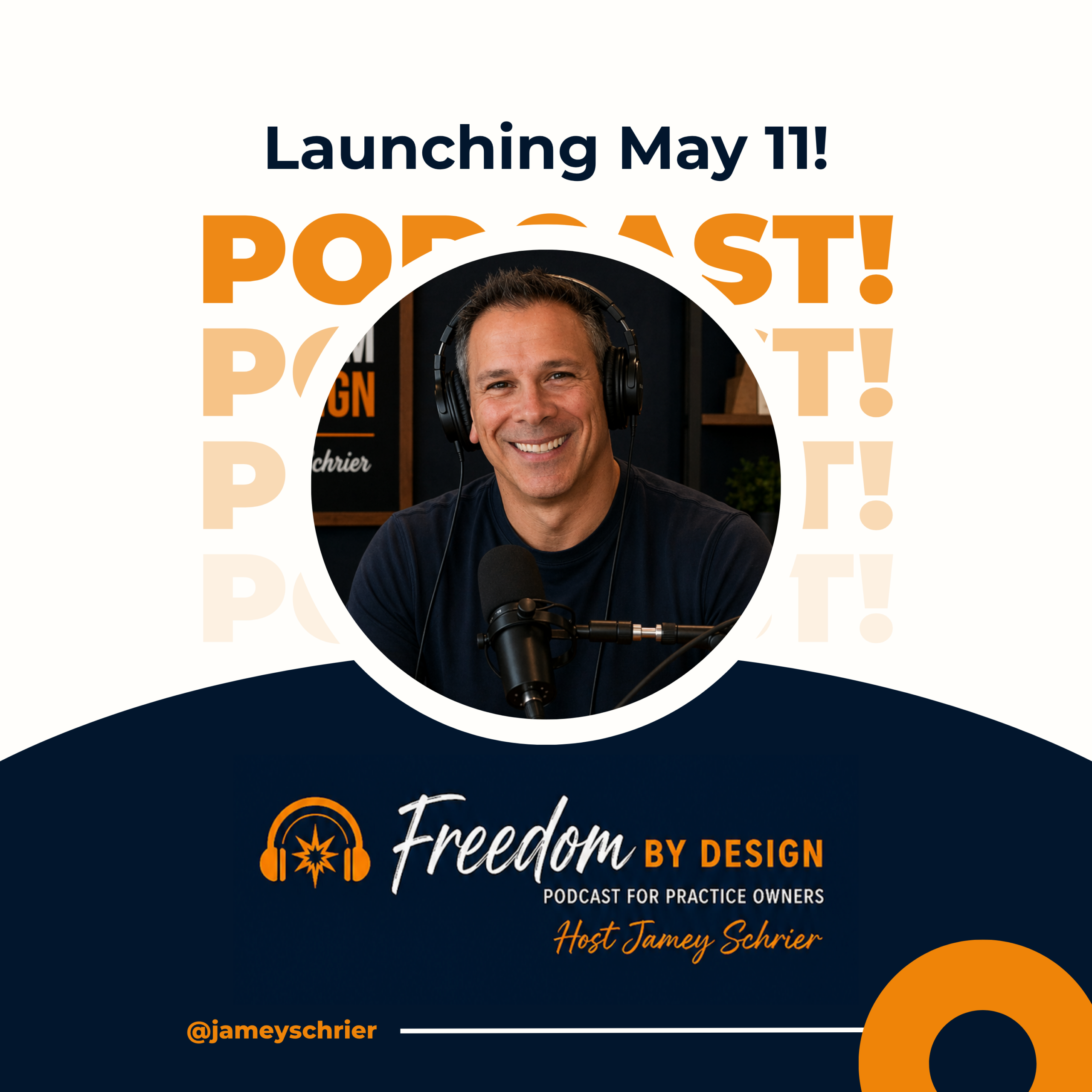
Freedom by Design launches May 11, and all 8 episodes will drop at once.
This limited series brings together direct, practical conversations with independent thinkers, operators, and business builders who are challenging the usual way owners think about work, leadership, money, and freedom.
One episode features Zac Cohen, who breaks down what it really takes to build a successful cash-based practice, including sales, confidence, communication, and patient experience.
Another features Josh Grover, who gets into the money already sitting inside the business, including collections, billing habits, payer mix, and revenue leaks.
The full series will be available May 11.
Listen and follow here:
————————————————————-
Are you ready for a coach? Join the hundreds of physical therapy owners who are building the practice of their dreams with the support, guidance and direction of a Practice Freedom U Coach. Take the first step towards creating a business that sets you free by scheduling a Discovery Call